
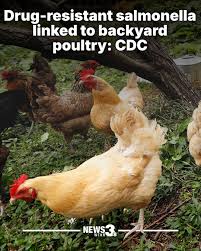
Drug Resistant Salmonella: Causes, Symptoms, Prevention, and Global Health Risks
Drug Resistant Salmonella: Causes, Symptoms, Prevention, and Global Health Risks
Food safety has become one of the biggest public health concerns worldwide, and one dangerous threat gaining attention is drug resistant salmonella. This bacterial infection is no longer just a common foodborne illness. In many cases, it has evolved into a harder-to-treat infection resistant to antibiotics that once worked effectively.
Health experts across the globe are warning about the rapid spread of antibiotic-resistant bacteria in food products, poultry farms, and even hospitals. As antibiotic misuse continues to rise, drug resistant salmonella is becoming a serious issue for both developed and developing countries.
In this detailed guide, you will learn what drug resistant salmonella is, its symptoms, causes, treatment options, prevention strategies, and why this growing health problem matters to everyone.
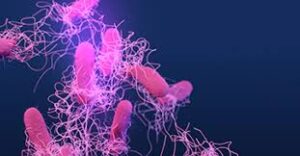
What Is Drug Resistant Salmonella?
Drug resistant salmonella refers to strains of Salmonella bacteria that no longer respond to commonly used antibiotics. Normally, salmonella infections can be treated with medications when symptoms become severe. However, resistant strains survive antibiotic treatment, making infections more dangerous and difficult to control.
Salmonella bacteria usually spread through contaminated food or water. Common sources include:
- Raw chicken and poultry
- Undercooked eggs
- Unpasteurized milk
- Contaminated fruits and vegetables
- Poor kitchen hygiene
- Infected animals or pets
When these bacteria become resistant to antibiotics, patients may experience longer illnesses, more hospitalizations, and higher medical costs.
Why Drug Resistant Salmonella Is a Growing Concern
Over the past decade, antibiotic resistance has become a major global health emergency. Drug resistant salmonella infections are increasing because antibiotics are widely overused in:
- Human medicine
- Livestock farming
- Poultry production
- Fish farming
- Agriculture
Many farms use antibiotics to promote animal growth or prevent disease in crowded conditions. This creates an environment where bacteria adapt and become resistant over time.
Once resistant bacteria enter the food chain, they can infect humans through everyday meals.
Key Risks of Drug Resistant Salmonella
- Longer recovery times
- Severe dehydration
- Bloodstream infections
- Higher hospitalization rates
- Limited treatment options
- Increased healthcare costs
- Greater risk for children and older adults
Because of these dangers, healthcare organizations are actively monitoring outbreaks linked to resistant strains.
Common Symptoms of Drug Resistant Salmonella
The symptoms of drug resistant salmonella are similar to regular salmonella infections, but they may last longer or become more severe.
Typical Symptoms Include:
- Diarrhea
- Fever
- Stomach cramps
- Nausea
- Vomiting
- Headache
- Fatigue
- Dehydration
Symptoms usually begin within 6 to 72 hours after exposure to contaminated food or water.
Most healthy people recover within a week, but resistant infections may continue for much longer and require medical attention.
Who Is Most at Risk?
Although anyone can become infected, some groups face higher risks of severe illness from drug resistant salmonella.
High-Risk Groups
1. Young Children
Children under five have weaker immune systems, making infections more dangerous.
2. Elderly Adults
Older adults often experience complications because their immune systems are less effective.
3. Pregnant Women
Pregnancy can increase vulnerability to foodborne illnesses.
4. People With Weak Immune Systems
Patients undergoing cancer treatment or living with chronic illnesses are at greater risk.
5. International Travelers
Traveling to regions with poor food sanitation can increase exposure to resistant bacteria.
How Drug Resistant Salmonella Spreads
Understanding transmission is essential for prevention.
Main Sources of Infection
Contaminated Meat and Poultry
Raw chicken remains one of the biggest sources of salmonella outbreaks worldwide.
Eggs and Dairy Products
Improperly stored eggs or unpasteurized dairy products can carry harmful bacteria.
Fresh Produce
Fruits and vegetables may become contaminated through unsafe irrigation water or handling.
Cross-Contamination
Using the same cutting board for raw meat and vegetables can spread bacteria.
Animal Contact
Reptiles, birds, and farm animals can carry salmonella without appearing sick.
Antibiotic Resistance and Food Industry Challenges
The connection between food production and antibiotic resistance is becoming increasingly concerning.
How Resistance Develops
When antibiotics are used too frequently in animals, some bacteria survive treatment. These surviving bacteria multiply and pass resistance genes to future generations.
Eventually, these resistant bacteria can reach humans through:
- Meat consumption
- Water contamination
- Environmental exposure
- Direct animal contact
This process has created superbugs that standard antibiotics can no longer eliminate effectively.
Diagnosis of Drug Resistant Salmonella
Doctors typically diagnose salmonella through laboratory testing.
Common Diagnostic Methods
- Stool sample testing
- Blood cultures
- Antibiotic resistance testing
- Molecular laboratory analysis
Testing helps identify which antibiotics may still work against resistant strains.
Early diagnosis is important because improper treatment may worsen antibiotic resistance.
Treatment Options for Drug Resistant Salmonella
Most mild salmonella infections improve without antibiotics. However, severe infections may require medical treatment.
Standard Treatment Includes:
Hydration
Replacing lost fluids is essential to prevent dehydration.
Electrolyte Support
Oral rehydration solutions help restore minerals lost through diarrhea.
Hospital Care
Severe cases may require intravenous fluids and monitoring.
Targeted Antibiotics
Doctors use specialized antibiotics based on laboratory resistance testing.
Because resistant strains respond differently, self-medication can be dangerous.
Prevention Tips for Drug Resistant Salmonella
Preventing infection is the most effective strategy.
Safe Food Handling Practices
Cook Food Thoroughly
Always cook poultry, eggs, and meat to safe internal temperatures.
Wash Hands Regularly
Use soap and warm water before and after handling food.
Avoid Cross-Contamination
Separate raw meat from fresh produce.
Refrigerate Food Properly
Keep perishable foods refrigerated promptly.
Wash Fruits and Vegetables
Rinse produce carefully before eating.
Avoid Raw Milk Products
Choose pasteurized dairy products whenever possible.
The Role of Antibiotic Stewardship
One of the best long-term solutions is reducing unnecessary antibiotic use.
Responsible Antibiotic Practices
- Only use antibiotics when prescribed
- Never skip prescribed doses
- Avoid demanding antibiotics for viral infections
- Support antibiotic-free farming initiatives
- Encourage responsible livestock management
Reducing misuse can slow the development of resistant bacteria.
Global Outbreaks and Public Health Impact
Several countries have reported outbreaks linked to resistant salmonella strains.
Public health agencies continue tracking outbreaks connected to:
- Poultry processing plants
- Imported food products
- Restaurant chains
- Packaged salad products
- Livestock farms
The economic burden is also significant. Drug resistant infections increase:
- Medical expenses
- Productivity losses
- Hospital admissions
- Food industry recalls
This issue affects healthcare systems and food industries worldwide.
Drug Resistant Salmonella and Modern Agriculture
Industrial farming practices have contributed to rising resistance levels.
Problems in Large-Scale Farming
- Overcrowded animal conditions
- Preventive antibiotic use
- Inadequate sanitation
- Rapid food production demands
Many experts believe sustainable farming practices are essential to reduce future outbreaks.
Consumers are also becoming more interested in:
- Organic food
- Antibiotic-free poultry
- Sustainable agriculture
- Transparent food sourcing
These trends may help improve long-term food safety standards.
Can Drug Resistant Salmonella Be Deadly?
Yes, in severe cases it can become life-threatening, especially when the infection spreads beyond the intestines.
Potential complications include:
- Bloodstream infections
- Organ damage
- Severe dehydration
- Reactive arthritis
- Sepsis
Prompt medical care is important for high-risk individuals.
Future Solutions and Scientific Research
Researchers are working on several strategies to combat antibiotic-resistant bacteria.
Emerging Solutions
Vaccine Development
Scientists are exploring vaccines against salmonella infections.
Alternative Treatments
Researchers are studying probiotics and bacteriophage therapies.
Better Food Monitoring
Advanced testing technologies may help identify contamination faster.
Global Cooperation
International health organizations are improving surveillance and food safety regulations.
Although progress is being made, prevention remains the strongest defense.
Important Food Safety Habits Everyone Should Follow
Here are simple daily habits that can greatly reduce your risk:
- Cook chicken completely
- Avoid raw eggs
- Keep kitchen surfaces clean
- Wash hands frequently
- Store food safely
- Check expiration dates
- Avoid consuming unsafe street food while traveling
Small habits can make a major difference in preventing infection.
Conclusion
Drug resistant salmonella is becoming one of the most serious foodborne health threats worldwide. As antibiotic resistance grows, infections are becoming harder to treat and more expensive to manage.
The rise of resistant bacteria highlights the urgent need for safer farming practices, responsible antibiotic use, and stronger food safety awareness. Consumers, healthcare providers, governments, and food industries all play important roles in controlling this global challenge.
By understanding how drug resistant salmonella spreads and following proper food hygiene practices, individuals can reduce their risk and help slow the spread of dangerous resistant bacteria.
As scientific research continues, awareness and prevention remain the best tools for protecting public health.
Relevant SEO Keywords
- antibiotic resistant salmonella
- salmonella infection symptoms
- foodborne illness prevention
- antibiotic resistant bacteria
- salmonella treatment
- food safety tips
- multidrug resistant salmonella
- salmonella outbreak
- poultry contamination
- bacterial infection treatment
