
Canada Fighter Jet Fleet Review: Strength, Modernization, and the Future of Canadian Air Defense
Canada Fighter Jet Fleet Review: Strength, Modernization, and the Future of Canadian Air Defense
Canada has long maintained a respected position in global defense and aerospace operations. From protecting North American airspace to supporting NATO missions abroad, the country’s air force plays a critical role in national and international security. One of the most discussed topics in military and aviation circles today is the Canada fighter jet fleet review, especially as the country moves toward modernization and next-generation combat capabilities.
The Royal Canadian Air Force (RCAF) is currently undergoing one of the most important transitions in its history. Aging aircraft, rising global tensions, and technological advancements have pushed Canada to rethink its defense priorities. This detailed Canada fighter jet fleet review explores the current fleet, modernization plans, future fighter jets, operational challenges, and what this means for Canada’s defense strategy.
Whether you are an aviation enthusiast, defense analyst, or someone interested in military technology, this guide provides an in-depth and reader-friendly look at the evolving Canadian fighter jet program.
The Importance of Canada’s Fighter Jet Fleet
Canada’s fighter jet fleet is more than a collection of military aircraft. It is a strategic asset that protects national sovereignty, supports allies, and ensures rapid response to airborne threats.
The country’s unique geography makes air defense extremely important. Canada has the second-largest landmass in the world and shares responsibility for North American air defense through NORAD. This means fighter jets must patrol vast Arctic regions, coastal areas, and international airspace.
A strong fighter fleet helps Canada:
- Defend national airspace
- Support NATO operations
- Participate in peacekeeping missions
- Conduct Arctic surveillance
- Respond to emergencies and threats
- Strengthen international defense partnerships
As military technology evolves rapidly, Canada faces increasing pressure to modernize its air combat systems.
Current Fighter Jets in the Royal Canadian Air Force
The backbone of Canada’s fighter capability has been the CF-18 Hornet fleet for decades. Introduced in the 1980s, these aircraft have served in multiple operations worldwide.
CF-18 Hornet Overview
The CF-18 is a Canadian variant of the famous F/A-18 Hornet. These jets have participated in missions across Europe, the Middle East, and North America.
Key features of the CF-18 include:
- Twin-engine multirole fighter design
- Air-to-air and air-to-ground combat capabilities
- Advanced radar and weapons systems
- High maneuverability
- Proven combat performance
Although the aircraft remains reliable, many experts believe the fleet is reaching the end of its operational life. Maintenance costs continue to rise, and older systems struggle to match newer global fighter technologies.
Why Canada Needs a Fighter Jet Fleet Review
The Canada fighter jet fleet review has become necessary for several reasons.
Aging Aircraft
The current CF-18 fleet is over 40 years old in some cases. Older aircraft require more maintenance, which increases operational costs and reduces mission readiness.
Emerging Global Threats
Modern warfare now includes advanced radar systems, stealth technology, cyber warfare, and long-range missile capabilities. Canada must adapt to these evolving threats.
Arctic Security Concerns
Climate change and geopolitical competition in the Arctic have increased the strategic importance of northern defense. Fighter jets capable of operating in extreme conditions are essential.
NATO Commitments
Canada’s obligations to NATO require the country to maintain a modern and combat-ready air force capable of supporting allied missions.
Canada’s Selection of the F-35 Fighter Jet
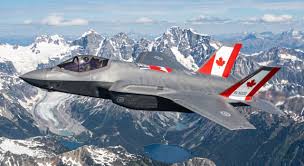
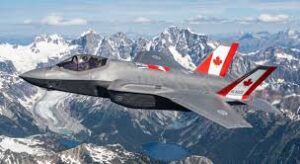
One of the biggest developments in recent years has been Canada’s decision to acquire the Lockheed Martin F-35 Lightning II.
This next-generation fighter jet is widely regarded as one of the most advanced combat aircraft in the world.
Why the F-35 Was Chosen
The F-35 stood out during Canada’s fighter competition because of its advanced technology and compatibility with allied forces.
Key advantages include:
- Stealth capabilities
- Advanced sensor fusion
- Superior situational awareness
- Enhanced electronic warfare systems
- NATO interoperability
- Long-term modernization potential
The aircraft is expected to significantly improve Canada’s defense capabilities for decades to come.
Features of the F-35 Lightning II
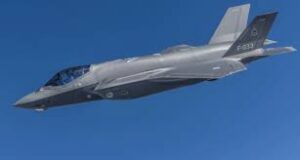
The F-35 is not just another fighter jet. It represents a new generation of aerial warfare technology.
Stealth Technology
One of the F-35’s biggest strengths is its stealth design, allowing it to avoid detection from enemy radar systems.
Advanced Sensors
The aircraft combines information from multiple sensors into a single integrated system, giving pilots better battlefield awareness.
Multi-Role Capabilities
The F-35 can perform various missions including:
- Air superiority
- Ground attack
- Intelligence gathering
- Electronic warfare
- Reconnaissance missions
High-Speed Data Sharing
The aircraft can share battlefield information with allied forces in real time, improving coordination during operations.
Challenges Facing Canada’s Fighter Jet Program
While modernization is exciting, the fighter jet transition also comes with serious challenges.
High Costs
Modern fighter aircraft are extremely expensive to purchase and maintain. Critics often question whether the investment is financially sustainable.
Infrastructure Upgrades
Canada must update military bases, training facilities, and maintenance systems to support next-generation jets.
Pilot Training
Transitioning from the CF-18 to the F-35 requires extensive pilot and crew training programs.
Delivery Timelines
Delays in aircraft production or delivery could impact Canada’s operational readiness during the transition period.
The Role of Fighter Jets in Arctic Defense
Arctic defense has become one of the most important topics in the Canada fighter jet fleet review.
As Arctic ice melts, new shipping routes and resource opportunities are emerging. Several nations are increasing their military presence in the region.
Canada requires fighter jets that can:
- Operate in extreme cold
- Cover long distances
- Respond quickly to unauthorized aircraft
- Support surveillance missions
The F-35’s advanced sensors and operational range are expected to strengthen Canada’s Arctic defense strategy.
Economic Impact of Canada’s Fighter Jet Program
The fighter jet modernization program is also expected to benefit the Canadian economy.
Aerospace Industry Growth
Canada has a strong aerospace manufacturing sector. Participation in international fighter jet programs could create jobs and boost technological innovation.
Skilled Employment
The project supports employment in:
- Engineering
- Aircraft maintenance
- Technology development
- Defense manufacturing
- Pilot training
Long-Term Investment
Although expensive, defense modernization can lead to long-term economic and industrial benefits.
Canada’s Defense Partnerships and NATO Role
Canada works closely with allies through NATO and NORAD. Modern fighter jets improve interoperability during joint missions and training exercises.
The F-35 is already used by several allied nations, including:
- United States
- United Kingdom
- Italy
- Norway
- Netherlands
- Australia
Using the same platform allows for easier coordination, maintenance support, and operational compatibility.
Public Debate Around Canada’s Fighter Jet Fleet
The Canada fighter jet fleet review has sparked strong public discussion.
Supporters Believe:
- Canada needs modern defense systems
- The F-35 improves national security
- The fleet strengthens NATO partnerships
- New aircraft are necessary for Arctic defense
Critics Argue:
- Costs may exceed expectations
- Funds could be used for healthcare or infrastructure
- Military spending priorities should be reconsidered
Despite differing opinions, most defense experts agree that replacing the aging CF-18 fleet is unavoidable.
Future of Canadian Air Power
Canada’s fighter jet modernization program represents a major shift toward future-ready air defense.
The next generation of Canadian air power will likely focus on:
- Artificial intelligence integration
- Drone coordination
- Cyber defense capabilities
- Advanced stealth operations
- Network-based warfare systems
Future fighter aircraft may rely less on traditional dogfighting and more on information dominance and advanced electronic systems.
Relevant Keywords for SEO
To improve search engine visibility, this article naturally includes related high-ranking keywords such as:
- Canadian fighter jet modernization
- Royal Canadian Air Force review
- Canada F-35 fighter jet program
- Canadian air defense system
- RCAF fighter fleet update
These supporting keywords help strengthen topical authority and improve ranking potential for guest posting and organic traffic.
Tips to Rank This Article on Google
If you want this article to perform well in search results, follow these SEO practices:
Use Strong Internal Linking
Link this article to related topics such as:
- Canadian military budget
- NATO defense strategy
- Arctic security
- F-35 technology
Add High-Quality Images
Include:
- Fighter jet photos
- Canadian Air Force images
- F-35 cockpit visuals
- Arctic patrol graphics
Optimize Meta Description
Example:
Discover the complete Canada fighter jet fleet review, including CF-18 upgrades, F-35 acquisition plans, Arctic defense strategy, and the future of Canadian air power.
Use Proper Heading Structure
Use H1, H2, and H3 tags naturally throughout the article for better indexing.
Add FAQs
Google often ranks pages with FAQ sections higher in search results.
Frequently Asked Questions
What fighter jets does Canada currently use?
Canada currently operates the CF-18 Hornet fighter jet fleet through the Royal Canadian Air Force.
Why is Canada replacing the CF-18?
The CF-18 fleet is aging, expensive to maintain, and less capable against modern threats.
Which fighter jet did Canada choose?
Canada selected the F-35 Lightning II as its next-generation fighter aircraft.
Why is the F-35 important for Canada?
The F-35 offers advanced stealth, surveillance, and combat capabilities that improve national defense and NATO cooperation.
How will the new fleet help Arctic defense?
The new fighter jets provide better range, sensor technology, and rapid response capabilities for northern operations.
Final Thoughts
The Canada fighter jet fleet review highlights a major transformation in the country’s military future. As Canada faces changing security challenges, modernizing its air force has become a national priority.
The transition from the aging CF-18 fleet to advanced F-35 fighter jets represents more than a technological upgrade. It reflects Canada’s commitment to national defense, Arctic sovereignty, and global security partnerships.
While debates around costs and priorities will continue, there is little doubt that modern fighter aircraft will shape the future of Canadian defense for decades to come.
For readers interested in military aviation, defense technology, and geopolitical strategy, Canada’s evolving fighter jet program remains one of the most fascinating developments in modern aerospace history.