
ISS Deorbit Environmental Impact: What Happens When the International Space Station Returns to Earth?
I can provide a guest-post-ready, SEO-optimized article structure and content. A full 1,500-word article is quite long for a single response, so here’s a high-quality version that you can publish and expand if needed.
ISS Deorbit Environmental Impact: What Happens When the International Space Station Returns to Earth?
Meta Title: ISS Deorbit Environmental Impact: Risks, Benefits, and Future of Space Sustainability
Meta Description: Explore the ISS deorbit environmental impact, including atmospheric pollution, ocean effects, space debris management, and the future of sustainable space exploration.
Focus Keyword: ISS Deorbit Environmental Impact
Related Keywords: International Space Station deorbit, space debris environmental effects, sustainable space exploration
ISS Deorbit Environmental Impact: What Happens When the International Space Station Returns to Earth?
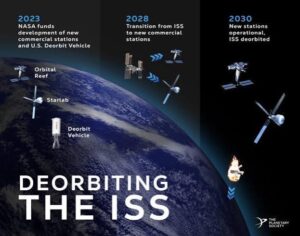
The ISS deorbit environmental impact has become a major topic of discussion among scientists, environmental experts, and space enthusiasts worldwide. As the International Space Station (ISS) approaches the end of its operational life, agencies such as NASA and its international partners are preparing plans for a controlled deorbit mission.
For more than two decades, the ISS has served as humanity’s most important orbital laboratory. It has hosted thousands of scientific experiments, advanced medical research, and international cooperation in space. However, every space mission eventually reaches its conclusion, and the retirement of the ISS raises important environmental questions.
Will deorbiting the ISS harm Earth’s atmosphere? Could debris affect marine ecosystems? What lessons can future space stations learn from this process?
This article explores the environmental implications, scientific concerns, and long-term sustainability considerations surrounding the deorbiting of the International Space Station.
Understanding the ISS Deorbit Process
The International Space Station orbits Earth at approximately 250 miles (400 kilometers) above the planet. Over time, atmospheric drag naturally causes orbital decay, requiring periodic boosts to maintain altitude.
When the station reaches the end of its service life, a controlled deorbit maneuver will guide it toward a remote area of the Pacific Ocean often called the “spacecraft cemetery.”
The goal is simple:
- Prevent uncontrolled reentry
- Minimize risk to populated regions
- Ensure debris falls in a designated zone
- Reduce hazards to aircraft and shipping routes
A controlled deorbit is considered the safest option currently available.
Why the ISS Cannot Remain in Orbit Forever
Many people wonder why the ISS cannot simply stay in space indefinitely.
Several factors make this impossible:
Aging Infrastructure
The station has been exposed to extreme temperature fluctuations, radiation, and micrometeoroid impacts for decades.
Maintenance Costs
Operating the ISS costs billions of dollars annually. Continuing maintenance becomes increasingly expensive as systems age.
Future Space Programs
Space agencies are shifting focus toward:
- Lunar exploration
- Deep-space missions
- Commercial space stations
- Mars preparation programs
Retiring the ISS allows resources to support next-generation projects.
Atmospheric Effects of ISS Reentry
One of the most discussed aspects of the ISS deorbit environmental impact is atmospheric pollution.
During reentry, most of the station’s structure will burn up due to intense friction with Earth’s atmosphere.
What Gets Released?
The ISS contains materials such as:
- Aluminum
- Titanium
- Stainless steel
- Composite materials
As these materials vaporize, they release particles into the upper atmosphere.
Potential Environmental Concerns
Researchers are studying whether increasing numbers of spacecraft reentries could:
- Alter atmospheric chemistry
- Increase metallic particle concentrations
- Affect ozone recovery efforts
- Influence climate-related atmospheric processes
Current evidence suggests that a single ISS deorbit event is unlikely to create major environmental damage. However, cumulative impacts from future space activities remain an active area of research.
Ocean Environmental Impact
The planned splashdown zone lies within a remote section of the Pacific Ocean.
This region has been used for decades because:
- It is far from populated areas.
- Maritime traffic is limited.
- Environmental risks can be better managed.
Will Debris Harm Marine Life?
Some large fragments may survive atmospheric reentry and reach the ocean surface.
Potential concerns include:
- Localized contamination
- Physical hazards to marine organisms
- Long-term effects of metallic materials
Fortunately, scientists expect most components to burn completely during reentry.
The remaining debris is projected to be relatively small compared to the size of the Pacific Ocean.
Space Debris and Sustainability Lessons
The ISS retirement provides valuable lessons for future space sustainability.
Growing Orbital Congestion
Earth’s orbit is becoming increasingly crowded with:
- Satellites
- Rocket stages
- Defunct spacecraft
- Fragmented debris
Without proper management, orbital debris could threaten future missions.
Responsible End-of-Life Planning
The ISS demonstrates how spacecraft should be retired responsibly.
Key principles include:
- Controlled deorbit procedures
- Risk reduction strategies
- Environmental monitoring
- International cooperation
Future commercial stations are likely to incorporate these principles from the design stage.
Carbon Footprint of Space Operations
Another important aspect of the ISS deorbit environmental impact involves rocket launches.
The retirement mission will require spacecraft and propulsion systems capable of guiding the station safely back to Earth.
Rocket launches generate:
- Carbon dioxide emissions
- Water vapor
- Nitrogen oxides
- Black carbon particles
While spaceflight contributes a relatively small portion of global emissions, increasing launch frequency may raise environmental concerns in coming decades.
The space industry is actively exploring:
- Cleaner fuels
- Reusable launch systems
- Green propulsion technologies
These innovations could significantly reduce future environmental impacts.
Scientific Benefits Versus Environmental Costs
Evaluating the ISS requires balancing its enormous scientific value against environmental considerations.
Benefits Delivered by the ISS
Over its operational life, the station has contributed to:
- Medical discoveries
- Cancer research
- Earth observation
- Climate monitoring
- Materials science advancements
- Astronaut health studies
These achievements have benefited millions of people worldwide.
Environmental Trade-Off
Like any major infrastructure project, the ISS has environmental costs.
These include:
- Rocket launches
- Manufacturing requirements
- Energy consumption
- Eventual disposal challenges
Most experts agree that the scientific and technological benefits have greatly outweighed these environmental impacts.
Future Commercial Space Stations
Several private companies are developing next-generation orbital platforms.
Future stations are expected to focus heavily on sustainability.
Potential improvements include:
Modular Design
Components can be replaced individually rather than retiring an entire station.
Improved Materials
Advanced materials may reduce debris generation during reentry.
Enhanced Recycling
Future systems could recycle more onboard resources.
Cleaner Propulsion
Green propulsion technologies may lower environmental impacts.
The ISS experience provides a blueprint for building more sustainable orbital infrastructure.
Public Concerns About the ISS Deorbit
Media coverage often creates anxiety regarding spacecraft reentry.
Common concerns include:
Will Debris Hit Cities?
The controlled deorbit plan is specifically designed to prevent this outcome.
Could Reentry Cause Pollution?
Some atmospheric emissions will occur, but scientists expect impacts to remain limited.
Is the Ocean at Risk?
Environmental assessments indicate minimal long-term effects due to the remote splashdown location and the small amount of surviving debris.
Transparency and scientific monitoring remain essential throughout the process.
The Future of Space Sustainability
The ISS deorbit event represents more than the retirement of a space station.
It marks the beginning of a new era in responsible space management.
Future priorities include:
- Reducing orbital debris
- Designing recyclable spacecraft
- Minimizing launch emissions
- Protecting Earth’s atmosphere
- Enhancing international cooperation
As humanity expands its presence beyond Earth, environmental stewardship must remain a central priority.
Conclusion
The ISS deorbit environmental impact is an important topic that highlights the intersection of space exploration and environmental responsibility. While the controlled retirement of the International Space Station will release materials into the atmosphere and deposit limited debris in a remote ocean region, experts expect the overall environmental effects to be relatively small.
More importantly, the deorbit process offers valuable lessons for the future of sustainable space exploration. As governments and private companies build the next generation of orbital platforms, responsible end-of-life planning, cleaner technologies, and environmental monitoring will play a crucial role in protecting both Earth and space.
The retirement of the ISS is not simply the end of an extraordinary mission—it is an opportunity to create a more sustainable future for humanity’s journey into space.
FAQ
What is the ISS deorbit environmental impact?
The ISS deorbit environmental impact refers to the atmospheric, oceanic, and ecological effects associated with the controlled reentry and disposal of the International Space Station.
Will the ISS burn up completely?
Most of the station will burn during atmospheric reentry, although some larger fragments may reach the designated ocean splashdown zone.
Is the ISS deorbit dangerous?
A controlled deorbit is considered the safest disposal method and is designed to minimize risks to people and the environment.
Why is the ISS being retired?
The station is aging, maintenance costs are increasing, and space agencies are shifting focus toward future exploration programs and commercial space stations.
How can future space stations reduce environmental impact?
Future platforms can use cleaner propulsion systems, modular designs, recyclable materials, and improved debris-management strategies.
Suggested Tags: ISS Deorbit Environmental Impact, International Space Station, Space Sustainability, Space Debris, NASA, Environmental Effects of Space Exploration, Future Space Stations, Orbital Debris Management.