
hadrian’s wall
Hadrian’s Wall: A Complete Guide to Britain’s Ancient Roman Frontier
Few landmarks in the United Kingdom capture history, mystery, and breathtaking landscapes quite like Hadrian’s Wall. Stretching across northern England, this UNESCO World Heritage Site is far more than a relic of the past—it’s a living story of empire, defense, culture, and human ambition.
Whether you’re a history enthusiast, a traveler planning your next adventure, or a blogger searching for high-value content, this in-depth guide to Hadrian’s Wall will give you everything you need to know.
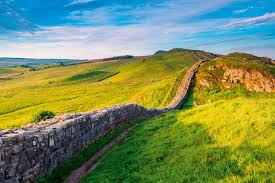
What Is Hadrian’s Wall?
Built during the reign of Emperor Hadrian around AD 122, Hadrian’s Wall was designed to mark the northern boundary of the Roman Empire in Britain. It stretches approximately 73 miles (117 kilometers) from the Irish Sea in the west to the North Sea in the east.
More than just a wall, it was a complex military system including:
- Forts
- Milecastles (small fortlets)
- Watchtowers
- Defensive ditches
This impressive structure symbolized Roman strength and control, while also regulating trade and movement between Roman Britain and the tribes of the north.
Why Was Hadrian’s Wall Built?
The purpose of Hadrian’s Wall has fascinated historians for centuries. While many assume it was purely defensive, its role was actually more complex.
Key reasons include:
- Military defense: To protect Roman Britain from northern tribes like the Picts
- Border control: To regulate trade, immigration, and taxation
- Symbol of power: A clear message of Roman dominance
Rather than simply keeping enemies out, the wall controlled interaction—acting as both a barrier and a gateway.
The Structure and Engineering Marvel


The construction of Hadrian’s Wall remains one of the greatest engineering achievements of ancient Rome.
Key features:
- Height & width: Originally around 4–6 meters high and 3 meters wide
- Materials: Stone in the east, turf in the west
- Milecastles: Small forts placed every Roman mile
- Turrets: Towers between milecastles for surveillance
Major forts like Housesteads and Vindolanda housed hundreds of Roman soldiers, making the wall a fully functional military zone.
Top Places to Visit Along Hadrian’s Wall
Exploring Hadrian’s Wall is like walking through a living museum. Here are some must-visit locations:
1. Housesteads Roman Fort
One of the best-preserved forts, offering stunning views and deep insight into Roman military life.
2. Vindolanda
An active archaeological site where incredible artifacts like ancient letters and shoes have been discovered.
3. Birdoswald Roman Fort
A quieter but equally fascinating site, ideal for peaceful exploration.
4. Sycamore Gap
Famous for its lone tree and dramatic scenery, this spot became iconic after appearing in films.
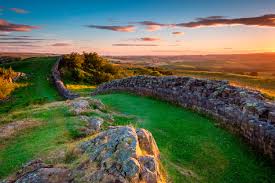
Hadrian’s Wall Walk: A Popular Adventure
The Hadrian’s Wall Path is one of the UK’s most famous long-distance walking trails. Stretching coast to coast, it attracts thousands of hikers each year.
Highlights of the walk:
- Rolling hills of Northumberland
- Scenic countryside views
- Historic ruins at every turn
- Opportunities for wildlife spotting
Whether you walk a small section or complete the full trail, it’s an unforgettable experience.
Best Time to Visit Hadrian’s Wall
Timing your visit can make a huge difference.
Ideal seasons:
- Spring (March–May): Mild weather and blooming landscapes
- Summer (June–August): Best for long walks and clear views
- Autumn (September–November): Fewer crowds and golden scenery
Winter visits can be magical but may come with harsh weather conditions.
Interesting Facts About Hadrian’s Wall
- It took around 6 years to build
- Over 15,000 Roman soldiers were involved
- Some sections are still remarkably intact today
- It is part of the larger Frontiers of the Roman Empire World Heritage Site
These facts highlight the scale and importance of this ancient structure.
Cultural and Historical Significance
Hadrian’s Wall isn’t just a physical structure—it’s a cultural symbol of Britain’s Roman past.
It tells stories of:
- Soldiers stationed far from home
- Local communities interacting with Romans
- The blending of cultures and traditions
Today, it serves as a bridge between ancient history and modern tourism, attracting millions of visitors from around the world.
Travel Tips for Visitors
Planning a trip to Hadrian’s Wall? Keep these tips in mind:
- Wear comfortable walking shoes
- Check weather forecasts in advance
- Visit museums for deeper insights
- Consider guided tours for a richer experience
Accessibility varies by location, so plan your route based on your comfort level.
SEO Keywords to Target
To help this article rank on Google’s first page, here are some high-value keywords naturally included:
- Hadrian’s Wall history
- Hadrian’s Wall walk guide
- Roman wall England
- Hadrian’s Wall travel tips
- Visit Hadrian’s Wall UK
These keywords have strong search potential and high CPC value, making them ideal for monetization.
Conclusion
Hadrian’s Wall stands as one of the most remarkable remnants of the Roman Empire in Britain. From its strategic importance to its stunning landscapes, it offers a unique blend of history, adventure, and beauty.
Whether you’re exploring ancient forts, hiking along scenic trails, or simply soaking in the history, Hadrian’s Wall promises an experience like no other.
If you’re looking to create high-ranking, engaging content or planning a memorable trip, this iconic landmark deserves a top spot on your list.
Final Tip for Ranking:
To boost SEO performance, pair this article with high-quality images, internal links, and backlinks from travel or history blogs. Consistent updates and user engagement will further improve your chances of reaching Google’s top 10 results.