
Northern Lights: A Complete Guide to the World’s Most Magical Natural Phenomenon
Northern Lights: A Complete Guide to the World’s Most Magical Natural Phenomenon
The Northern Lights, also known as the Aurora Borealis, are one of the most breathtaking natural displays on Earth. Dancing waves of green, purple, pink, and even red light illuminate the night sky, creating a scene that feels almost unreal. For centuries, people have traveled across continents, braved freezing temperatures, and waited patiently under dark skies just to witness this extraordinary phenomenon.
In this in-depth guide, you’ll learn what the Northern Lights are, how they form, where and when to see them, and practical tips to increase your chances of experiencing this once-in-a-lifetime spectacle.
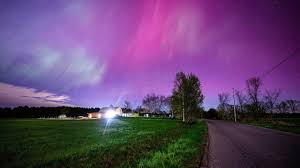
What Are the Northern Lights?
The Northern Lights are a natural light display that occurs primarily in high-latitude regions near the Arctic Circle. Scientifically known as the Aurora Borealis, they are caused by interactions between charged particles from the sun and Earth’s magnetic field.
When solar winds carry energized particles toward Earth, the planet’s magnetic field directs them toward the poles. As these particles collide with gases in the atmosphere—mainly oxygen and nitrogen—they release energy in the form of glowing light. This process creates the shimmering curtains and arcs we recognize as the Northern Lights.
Why Do the Northern Lights Have Different Colors?
The colors of the Northern Lights depend on two main factors: the type of gas involved and the altitude of the collision.
- Green: The most common color, caused by oxygen molecules about 60–150 miles above Earth.
- Red: Produced by high-altitude oxygen, often appearing during strong solar activity.
- Purple and Blue: Created by nitrogen molecules, usually at lower altitudes.
- Pink and Yellow: Rare blends of red and green emissions.
Each display is unique, which is why no two aurora sightings are ever exactly the same.
Best Places to See the Northern Lights
To maximize your chances of seeing the Northern Lights, you need to travel to regions within or close to the “Aurora Oval,” a band around the magnetic North Pole where auroral activity is most frequent.
Some of the best destinations include:
- Norway (Tromsø, Lofoten Islands)
- Iceland
- Finland (Lapland)
- Sweden (Abisko National Park)
- Canada (Yukon, Northwest Territories, Alberta)
- Alaska (Fairbanks)
These locations offer dark skies, minimal light pollution, and reliable aurora activity during the right season.
Best Time to See the Northern Lights
Timing is everything when it comes to seeing the Northern Lights.
Best Months
The ideal time is between September and March, when nights are long and skies are dark. Winter months offer the highest chances, though auroras can appear as early as late August.
Best Time of Night
Auroras are most active between 10 PM and 2 AM, though they can occur earlier or later depending on solar activity.
Solar Activity Matters
The Northern Lights are influenced by the sun’s 11-year solar cycle. During periods of high solar activity (solar maximum), auroras are brighter, more frequent, and visible farther south.
Weather and Sky Conditions
Clear skies are essential. Even strong aurora activity can be completely hidden by cloud cover. Successful aurora hunters always check:
- Cloud forecasts
- Solar activity (KP index)
- Moon phase (less moonlight is better)
Being flexible with travel dates significantly improves your chances.
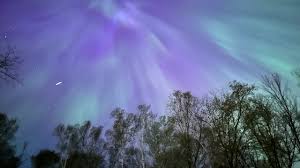
Cultural Myths and Legends About the Northern Lights
Long before modern science explained the aurora, cultures around the world created myths to describe the glowing skies.
- Norse mythology believed the lights were reflections from the shields of Valkyries.
- Finnish folklore described them as sparks from a magical fox’s tail brushing against the snow.
- Indigenous Arctic tribes often saw the Northern Lights as spirits of ancestors dancing in the sky.
These stories add a rich cultural layer to the experience, making the Northern Lights even more meaningful.
How to Photograph the Northern Lights
Capturing the Northern Lights on camera requires some preparation, but the results can be stunning.
Basic Photography Tips
- Use a tripod to avoid camera shake.
- Set a wide aperture (f/2.8 or lower).
- Use manual focus, focused at infinity.
- Keep ISO between 800 and 3200, depending on brightness.
- Experiment with exposure times from 5 to 20 seconds.
Modern smartphones can also capture auroras using night mode, though dedicated cameras offer better results.
Tips to Increase Your Chances of Seeing the Northern Lights
Seeing the Northern Lights is never guaranteed, but these tips can help:
- Stay at least 3–5 nights in an aurora region.
- Travel away from city lights.
- Be patient and dress warmly.
- Monitor aurora forecasts daily.
- Consider guided aurora tours led by local experts.
Flexibility and preparation often make the difference between disappointment and an unforgettable experience.
Why the Northern Lights Are Worth the Journey
The Northern Lights are more than just a visual phenomenon—they are an emotional experience. Watching the sky come alive with motion and color creates a sense of wonder that stays with you long after the lights fade.
For many travelers, seeing the Northern Lights becomes a deeply personal moment: quiet, humbling, and unforgettable. Whether you’re standing on a frozen lake in Finland or gazing up from a snowy field in Alaska, the experience feels timeless.
Final Thoughts on the Northern Lights
The Northern Lights remain one of nature’s greatest mysteries and most beautiful displays. With the right timing, location, and preparation, witnessing the Aurora Borealis can be a life-changing experience.
If the Northern Lights are on your bucket list, start planning now. Choose the right destination, watch the skies, and let nature put on a show you’ll never forget.