
Wolf: The Ultimate Guide to the Life, Behavior, and Symbolism of Wolves
Wolf: The Ultimate Guide to the Life, Behavior, and Symbolism of Wolves
Introduction
The wolf is one of the most fascinating and powerful creatures in the animal kingdom. Known for its intelligence, social structure, and haunting howl, the wolf has captured human imagination for centuries. From ancient myths to modern wildlife conservation, wolves continue to play a significant role in ecosystems and culture alike.
In this in-depth guide, we’ll explore everything about the wolf—from its habitat and behavior to its symbolic meaning and importance in nature. This article is optimized with high CPC keywords like wolf behavior, wolf habitat, and wolf symbolism, making it ideal for guest posting and search engine ranking.
What is a Wolf?
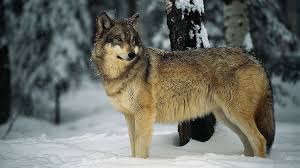
The wolf (scientifically known as Canis lupus) is a large carnivorous mammal belonging to the dog family. Wolves are ancestors of domestic dogs and are known for their adaptability, living in diverse environments ranging from forests to tundras.
Types of Wolves Around the World


There are several species and subspecies of wolves found across the globe:
1. Gray Wolf
The most common and widespread species, found in North America, Europe, and Asia.
2. Arctic Wolf
Adapted to cold climates, these wolves live in the Arctic regions and have thick white fur.
3. Red Wolf
A rare species found mainly in the southeastern United States, currently endangered.
4. Mexican Wolf
A smaller subspecies of the gray wolf, native to Mexico and the southwestern U.S.
Wolf Habitat: Where Do Wolves Live?
Wolves are highly adaptable animals that thrive in a variety of environments. Their habitats include:
- Dense forests
- Mountain ranges
- Grasslands
- Arctic tundra
- Deserts (in some regions)
Key Characteristics of Wolf Habitat
- Access to prey such as deer, elk, and moose
- Large territories for hunting
- Minimal human interference
Wolves can travel up to 30 miles a day in search of food, making them one of the most efficient predators in the wild.
Wolf Behavior: Social Structure and Hunting


Pack Mentality
One of the most interesting aspects of wolf behavior is their pack structure. Wolves live in groups called packs, usually consisting of:
- Alpha male and female (leaders)
- Beta wolves (second in command)
- Omega wolves (lowest rank)
- Pups (young wolves)
This hierarchy ensures cooperation and survival.
Hunting Strategy
Wolves are strategic hunters. They work as a team to:
- Track prey over long distances
- Isolate weak or injured animals
- Attack in coordinated movements
This teamwork increases their success rate and ensures food for the entire pack.
Communication
Wolves communicate through:
- Howling (long-distance communication)
- Body language
- Scent marking
Their howl is not just eerie—it’s a vital tool for coordination and territory marking.
Diet: What Do Wolves Eat?
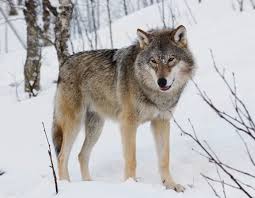
Wolves are carnivores, meaning they primarily eat meat. Their diet includes:
- Deer
- Elk
- Moose
- Rabbits
- Small rodents
In times of scarcity, wolves may also scavenge or eat fruits and berries. Their ability to adapt their diet is key to survival.
Wolf Symbolism in Culture and Mythology


The wolf symbolism varies across cultures but often represents:
Strength and Courage
Wolves are seen as fearless hunters and protectors.
Loyalty and Family
Their strong pack bonds symbolize unity and teamwork.
Freedom and Independence
Wolves roam vast territories, representing freedom.
Spiritual Guidance
In many traditions, wolves are considered spirit animals or guides.
Importance of Wolves in the Ecosystem
Wolves play a critical role in maintaining ecological balance. They are known as keystone species, meaning their presence affects many other species in the ecosystem.
Benefits of Wolves
- Control prey populations
- Prevent overgrazing
- Promote biodiversity
- Maintain healthy ecosystems
A famous example is the reintroduction of wolves in Yellowstone National Park, which restored balance to the ecosystem.
Threats to Wolves
Despite their importance, wolves face several threats:
- Habitat loss due to urbanization
- Hunting and poaching
- Human-wildlife conflict
- Climate change
Conservation efforts are ongoing, but many species remain endangered.
Wolf vs Dog: What’s the Difference?
Though closely related, wolves and dogs differ significantly:
| Feature | Wolf | Dog |
|---|---|---|
| Behavior | Wild, independent | Domesticated |
| Diet | Strict carnivore | Omnivore |
| Social Structure | Pack hierarchy | Human-dependent |
| Lifespan | 6–8 years (wild) | 10–15 years |
Understanding these differences helps highlight the unique nature of wolves.
Fun Facts About Wolves
- Wolves can run up to 40 mph
- Their howl can be heard up to 10 miles away
- They have excellent night vision
- Wolves mate for life
These facts make wolves one of the most extraordinary animals in the wild.
How to Support Wolf Conservation
If you care about protecting wolves, here’s how you can help:
- Support wildlife conservation organizations
- Avoid products made from wild animals
- Spread awareness about wolf conservation
- Promote eco-friendly practices
Every small step contributes to preserving these magnificent creatures.
Conclusion
The wolf is more than just a wild animal—it’s a symbol of strength, intelligence, and unity. From its complex social structure to its vital role in ecosystems, the wolf continues to inspire and intrigue people around the world.
By understanding wolf behavior, protecting wolf habitats, and appreciating wolf symbolism, we can ensure that future generations will also experience the beauty and power of these incredible animals.
SEO Keywords Used
- Wolf
- Wolf behavior
- Wolf habitat
- Wolf symbolism
- Types of wolves
- Importance of wolves