
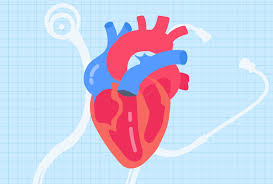
heart health
Heart Health: The Complete Guide to a Stronger Heart and Better Life
Heart health is one of the most important parts of overall wellness. A healthy heart keeps blood flowing smoothly, delivers oxygen throughout the body, and supports every organ we rely on each day. Yet millions of people worldwide ignore the early signs of poor cardiovascular health until serious problems appear.
The good news is that improving heart health does not always require complicated treatments or expensive programs. Small daily habits such as eating balanced meals, staying active, reducing stress, and getting enough sleep can make a major difference over time.
In this complete guide, you will learn practical ways to protect your heart naturally, improve cardiovascular fitness, and lower the risk of heart disease. Whether you are young or older, focusing on heart health today can help you enjoy a longer, healthier, and more energetic life.
What Is Heart Health?
Heart health refers to the condition and efficiency of your heart and blood vessels. A healthy cardiovascular system allows blood to circulate properly, ensuring that oxygen and nutrients reach every part of the body.
Good heart health means:
- Stable blood pressure
- Healthy cholesterol levels
- Strong blood circulation
- Normal heart rhythm
- Reduced risk of heart disease and stroke
Poor heart health can lead to serious conditions including:
- Heart attacks
- Stroke
- High blood pressure
- Coronary artery disease
- Heart failure
Maintaining a healthy lifestyle is the foundation of long-term cardiovascular wellness.
Why Heart Health Matters
Your heart works nonstop every second of your life. It pumps blood throughout the body, supporting brain function, muscle strength, digestion, and energy levels.
When the heart becomes weak or damaged, the entire body suffers. Poor heart health can affect your daily activities, mental focus, and quality of life.
Benefits of Good Heart Health
- Higher energy levels
- Better circulation
- Improved mental clarity
- Reduced stress and anxiety
- Lower healthcare costs
- Longer lifespan
- Better physical fitness
Taking care of your heart is not just about avoiding disease. It is about improving your overall lifestyle and well-being.
Top Causes of Poor Heart Health
Understanding what harms the heart is the first step toward prevention.
1. Unhealthy Diet
A diet filled with processed foods, excess sugar, fried meals, and unhealthy fats can increase cholesterol and blood pressure.
Foods high in sodium and trans fats are especially harmful to cardiovascular health.
2. Lack of Physical Activity
Physical inactivity weakens the heart muscles and increases the risk of obesity, diabetes, and high blood pressure.
Regular exercise improves blood circulation and strengthens the heart naturally.
3. Smoking
Smoking damages blood vessels and reduces oxygen levels in the blood. It is one of the leading causes of heart disease worldwide.
4. Excessive Stress
Chronic stress increases cortisol levels, which may contribute to high blood pressure and inflammation.
Stress management is essential for maintaining emotional and heart wellness.
5. Poor Sleep
Lack of sleep can negatively affect blood pressure, weight, and overall cardiovascular function.
Adults should aim for seven to eight hours of quality sleep every night.
Best Foods for Heart Health
A healthy diet is one of the most effective ways to improve cardiovascular health naturally.
Fatty Fish
Fish such as salmon, tuna, and sardines contain omega-3 fatty acids that help reduce inflammation and support healthy blood circulation.
Leafy Green Vegetables
Spinach, kale, and broccoli are rich in vitamins, minerals, and antioxidants that support heart function.
Whole Grains
Brown rice, oats, and quinoa help control cholesterol and stabilize blood sugar levels.
Nuts and Seeds
Almonds, walnuts, flaxseeds, and chia seeds contain healthy fats that benefit the heart.
Fruits
Berries, oranges, bananas, and apples are packed with fiber and antioxidants that protect the cardiovascular system.
Olive Oil
Olive oil is considered one of the healthiest fats for heart health and is commonly used in Mediterranean diets.
Daily Habits to Improve Heart Health
Improving heart health does not require drastic changes overnight. Consistency matters more than perfection.
Exercise Regularly
Aim for at least 30 minutes of moderate exercise most days of the week.
Good activities include:
- Walking
- Cycling
- Swimming
- Jogging
- Yoga
Exercise helps lower blood pressure and strengthens the heart muscles.
Stay Hydrated
Proper hydration supports healthy blood circulation and helps the body function efficiently.
Manage Stress
Simple stress-relief techniques include:
- Meditation
- Deep breathing
- Listening to music
- Spending time in nature
- Talking with friends and family
Maintain a Healthy Weight
Excess weight puts extra pressure on the heart and increases the risk of chronic disease.
Balanced nutrition and regular movement help maintain a healthy body weight.
Limit Alcohol Consumption
Drinking too much alcohol can increase blood pressure and weaken the heart over time.
Moderation is important for cardiovascular wellness.
Signs of Poor Heart Health
Many people ignore early warning signs until serious complications develop.
Common symptoms may include:
- Chest pain
- Shortness of breath
- Fatigue
- Dizziness
- Irregular heartbeat
- Swollen legs or feet
If you experience any of these symptoms regularly, consult a healthcare professional immediately.
The Connection Between Mental Health and Heart Health
Mental wellness and heart health are deeply connected. Anxiety, depression, and chronic stress can increase inflammation and blood pressure.
People with better emotional health often experience better cardiovascular outcomes.
Ways to Support Both Mental and Heart Health
- Practice mindfulness
- Build healthy relationships
- Spend time outdoors
- Avoid negative habits
- Maintain a healthy work-life balance
A calm mind supports a healthy heart.
Heart Health Tips for Different Age Groups
Heart Health for Young Adults
Young adults should focus on:
- Avoiding smoking
- Building healthy eating habits
- Staying physically active
- Reducing sugary drinks
Healthy habits developed early can prevent future heart problems.
Heart Health for Middle-Aged Adults
This age group should monitor:
- Blood pressure
- Cholesterol levels
- Stress management
- Weight control
Regular medical checkups become increasingly important.
Heart Health for Seniors
Older adults should prioritize:
- Gentle exercise
- Heart-friendly diets
- Medication management
- Staying socially connected
Healthy aging depends heavily on cardiovascular wellness.
Natural Ways to Support Cardiovascular Health
Many natural lifestyle practices can strengthen the heart over time.
Increase Fiber Intake
Fiber helps lower bad cholesterol and supports healthy digestion.
Reduce Sugar Consumption
Excess sugar can increase the risk of obesity and diabetes, both major contributors to heart disease.
Practice Deep Breathing
Deep breathing exercises may help reduce stress and improve circulation.
Spend Time Outdoors
Fresh air and sunlight can improve mood, encourage activity, and reduce stress levels.
Common Heart Health Myths
Myth 1: Heart Disease Only Affects Older People
Heart disease can affect people of all ages, especially with poor lifestyle habits.
Myth 2: Thin People Cannot Have Heart Problems
Even people with normal weight can develop heart disease due to genetics or poor lifestyle choices.
Myth 3: Exercise Alone Is Enough
Physical activity is important, but nutrition, sleep, and stress management also matter.
Myth 4: Symptoms Always Appear Early
Some heart conditions develop silently without noticeable symptoms.
Regular health screenings are essential.
The Role of Preventive Healthcare
Preventive care can help identify risks before they become serious.
Important screenings include:
- Blood pressure checks
- Cholesterol testing
- Blood sugar monitoring
- Weight assessment
Early detection improves treatment outcomes and reduces long-term health risks.
How Technology Supports Heart Health
Modern technology has made heart monitoring easier than ever.
Popular tools include:
- Fitness trackers
- Smartwatches
- Heart rate monitors
- Health apps
These tools can encourage healthier habits and provide valuable insights into daily activity levels.
Heart Health and Quality of Life
People with strong cardiovascular health often experience:
- Better mobility
- Higher productivity
- Improved confidence
- Better sleep quality
- Increased longevity
Investing in heart health today can lead to a more active and fulfilling future.
Final Thoughts on Heart Health
Heart health should never be ignored. Your heart supports every function in your body, and even small healthy choices can create lasting improvements over time.
Eating nutritious foods, exercising regularly, managing stress, and getting enough rest are some of the most powerful ways to protect your cardiovascular system naturally.
A healthy heart is the foundation of a healthier life. Start making positive choices today, and your future self will thank you.
SEO Keywords Used Naturally in This Article
- Heart health
- Cardiovascular health
- Healthy heart
- Heart disease prevention
- Improve heart health naturally
- Healthy lifestyle
- Best foods for heart health
- Heart wellness tips