
Incident Response Plans: The Ultimate Guide to Protecting Your Business from Cyber Threats
“incident response plans”.
Incident Response Plans: The Ultimate Guide to Protecting Your Business from Cyber Threats
In today’s hyper-connected digital world, cyber threats are no longer a “maybe” — they are a guarantee. From ransomware attacks to insider data leaks, businesses of every size face constant security risks. This is exactly why incident response plans have become one of the most critical assets for modern organizations.
An incident response plan is not just a technical document. It’s a business survival strategy. Companies that respond quickly and effectively to security incidents can save millions, protect their reputation, and maintain customer trust. Those that don’t often face severe financial losses, legal penalties, and long-term brand damage.
In this in-depth guide, you’ll learn what incident response plans are, why they matter, how they work, and how to build one that truly protects your organization.

What Are Incident Response Plans?
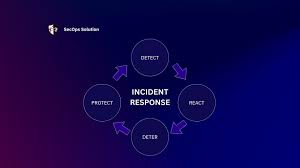
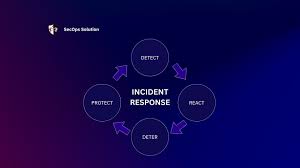
Incident response plans are structured, documented strategies that outline how an organization prepares for, detects, responds to, and recovers from cybersecurity incidents.
These incidents may include:
- Data breaches
- Ransomware attacks
- Phishing campaigns
- Insider threats
- System outages
- Malware infections
The main goal of an incident response plan is simple: minimize damage, reduce downtime, and restore normal operations as quickly as possible.
Instead of reacting in panic when an attack happens, companies with well-designed incident response plans act with clarity, speed, and control.
Why Incident Response Plans Are Essential in 2026
Cybercrime is growing at an alarming rate. According to industry estimates, global cybercrime damages are expected to reach trillions of dollars annually. No business is too small or too secure to be targeted.
Here’s why incident response plans are no longer optional:
1. Faster Response Times
Every minute counts during a cyber incident. A predefined plan helps teams act immediately without confusion or delays.
2. Reduced Financial Losses
The faster an incident is contained, the lower the recovery cost. Effective incident response plans can save businesses millions.
3. Regulatory Compliance
Many regulations like GDPR, HIPAA, and ISO 27001 require formal incident response procedures. Non-compliance can result in heavy fines.
4. Reputation Protection
Customers trust companies that handle security incidents professionally and transparently.
5. Business Continuity
Incident response plans help organizations maintain operations even during active security events.
Key Components of Effective Incident Response Plans
Not all incident response plans are created equal. A strong plan includes several critical components:
1. Preparation
Preparation is the foundation of every successful incident response plan. This phase includes:
- Defining roles and responsibilities
- Training employees
- Implementing security tools
- Establishing communication protocols
Prepared teams respond better, faster, and with fewer mistakes.
2. Identification
This stage focuses on detecting and confirming a security incident. It involves:
- Monitoring systems and logs
- Analyzing alerts
- Determining the scope and severity of the incident
Early identification prevents small issues from becoming massive disasters.
3. Containment
Once an incident is confirmed, the next step is containment. The goal is to limit the spread and impact of the threat. This may involve:
- Isolating affected systems
- Blocking malicious IPs
- Disabling compromised accounts
4. Eradication
After containment, the root cause must be removed. This includes:
- Removing malware
- Closing security vulnerabilities
- Applying patches and updates
5. Recovery
Recovery ensures systems are restored safely and securely. Activities include:
- Restoring backups
- Testing systems
- Monitoring for recurring threats
6. Lessons Learned
The final phase is often overlooked but extremely valuable. Teams review:
- What went wrong
- What worked well
- How to improve future incident response plans
Who Needs Incident Response Plans?
The short answer? Everyone.
Incident response plans are critical for:
- Small and medium-sized businesses
- Large enterprises
- Financial institutions
- Healthcare organizations
- E-commerce platforms
- Government agencies
- SaaS companies
Cybercriminals don’t discriminate. In fact, small businesses are often targeted because they lack proper security planning.
How to Create a Powerful Incident Response Plan
Building effective incident response plans doesn’t have to be complicated, but it does require careful planning.
Step 1: Assess Risks
Identify your most valuable assets and the threats most likely to affect them.
Step 2: Build an Incident Response Team
Assign clear roles such as:
- Incident manager
- IT security lead
- Legal advisor
- Public relations contact
Step 3: Define Clear Procedures
Document step-by-step actions for different types of incidents.
Step 4: Test and Update Regularly
Run simulations and tabletop exercises to test your plan. Update it as threats evolve.
Common Mistakes to Avoid in Incident Response Plans
Many organizations fail not because they lack plans, but because their plans are flawed. Avoid these common mistakes:
- Outdated documentation
- Lack of employee training
- Unclear roles and responsibilities
- No communication strategy
- Ignoring post-incident analysis
A plan that sits unused is as dangerous as having no plan at all.
Incident Response Plans and Business Growth
Strong incident response plans don’t just prevent losses — they support growth. Investors, partners, and customers are more confident in businesses that take cybersecurity seriously.
Companies with mature incident response strategies often:
- Win more enterprise contracts
- Meet compliance requirements faster
- Recover from incidents with minimal disruption
In a competitive digital market, security readiness is a major advantage.
Final Thoughts: Why Incident Response Plans Are a Smart Investment
Cyber threats are inevitable, but chaos is not. With well-designed incident response plans, businesses gain control, confidence, and resilience.
Whether you’re a startup or a global enterprise, investing time and resources into incident response planning is one of the smartest decisions you can make. It protects your data, your customers, and your future.
In the end, it’s not about if an incident will happen — it’s about how prepared you are when it does.