

Airlines Cancelling Flights Due to Fuel: What Travelers Need to Know in 2026
Airlines Cancelling Flights Due to Fuel: What Travelers Need to Know in 2026
The aviation industry has always been sensitive to rising operational costs, but one issue is creating major headlines in 2026 — airlines cancelling flights due to fuel. From domestic routes to international travel, airlines across the world are adjusting schedules, reducing flights, and increasing ticket prices because of soaring fuel expenses.
For travelers, this means uncertainty, expensive airfare, and last-minute disruptions. For the airline industry, it has become a financial survival challenge. Fuel remains one of the largest operating costs for airlines, and when oil prices rise sharply, companies often respond by cutting routes or canceling less profitable flights.
In this article, we’ll explore why airlines are cancelling flights due to fuel costs, how it affects passengers, which airlines are most impacted, and what travelers can do to avoid disruptions.
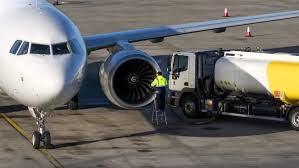
Why Are Airlines Cancelling Flights Due to Fuel Costs?
Jet fuel prices have increased dramatically over the past few years. Airlines depend heavily on fuel to operate safely and efficiently, and even a small increase in fuel prices can cost companies millions of dollars.
Several factors are contributing to the fuel crisis:
- Global crude oil price increases
- Supply chain disruptions
- Geopolitical tensions
- Higher airport operating costs
- Increased demand for air travel after tourism recovery
When fuel prices rise faster than airline profits, carriers are forced to reduce operating expenses. One of the fastest ways to cut losses is by canceling flights with low passenger demand or high fuel consumption.
This is why many travelers are seeing more news about flight cancellations due to fuel shortages and rising operational costs.
How Fuel Prices Affect Airline Operations
Fuel is often the second-largest expense for airlines after labor. For some low-cost carriers, fuel can account for up to 40% of total operating expenses.
When jet fuel becomes expensive, airlines usually take the following steps:
1. Reduce Flight Frequency
Instead of operating five daily flights on a route, airlines may reduce service to three flights per day.
2. Cancel Less Profitable Routes
Smaller cities and low-demand destinations are usually affected first because they generate lower revenue.
3. Increase Airfare Prices
Passengers often experience higher ticket prices when fuel costs increase.
4. Retire Older Aircraft
Older airplanes consume more fuel. Airlines are now shifting toward modern fuel-efficient aircraft.
Airlines Most Affected by Rising Fuel Prices
Both budget airlines and full-service carriers are struggling with fuel-related expenses. Low-cost airlines are particularly vulnerable because they rely on low ticket prices and high passenger volumes.
Major airline groups across North America, Europe, and Asia have already reduced schedules in response to fuel price volatility.
Some airlines have also introduced:
- Fuel surcharges
- Reduced baggage allowances
- Dynamic ticket pricing
- Seasonal route suspensions
Industry analysts believe more airlines could continue cancelling flights if fuel prices remain unstable throughout 2026.
The Impact on Travelers
For passengers, airlines cancelling flights due to fuel creates several challenges.
Last-Minute Schedule Changes
Travelers may receive cancellation notices only hours before departure. This creates problems for:
- Business travelers
- Families
- International tourists
- Students
Higher Travel Costs
Limited flight availability often leads to expensive last-minute bookings.
Longer Layovers
Airlines may combine routes or reduce direct flights, increasing travel time.
Vacation Disruptions
Hotel reservations, tours, and connecting flights can all be affected when flights are canceled unexpectedly.
Why Budget Airlines Are Under Pressure
Low-cost airlines operate on thin profit margins. Their business model depends on:
- Full flights
- Low operational costs
- Quick aircraft turnaround times
When fuel becomes expensive, the low-fare strategy becomes difficult to maintain.
Some budget airlines are now:
- Cutting promotional fares
- Charging extra fees
- Reducing regional destinations
- Operating fewer aircraft
This trend is becoming common in the global aviation market.
Fuel-Efficient Aircraft Are Becoming Essential
To combat rising fuel costs, airlines are investing in modern aircraft technology.
New-generation airplanes use less fuel and produce fewer emissions. Airlines are increasingly ordering aircraft like:
- Airbus A320neo series
- Boeing 737 MAX
- Long-range fuel-efficient jets
These aircraft help airlines save millions annually on fuel expenses.
Fuel efficiency is now one of the biggest competitive advantages in aviation.
Environmental Policies and Sustainable Aviation Fuel
Another important factor behind airline fuel costs is environmental regulation.
Many governments are encouraging airlines to adopt cleaner fuel alternatives known as Sustainable Aviation Fuel (SAF). While SAF helps reduce carbon emissions, it is currently more expensive than traditional jet fuel.
Airlines are trying to balance:
- Environmental goals
- Profitability
- Affordable airfare
This transition is increasing operational pressure in the short term, leading some airlines to cut routes temporarily.
adsmu
Will Flight Cancellations Continue in 2026?
Aviation experts believe fuel-related disruptions may continue throughout the year if global oil prices remain high.
Several trends suggest ongoing challenges:
- Strong global travel demand
- Limited fuel supply in some regions
- Economic uncertainty
- Geopolitical conflicts affecting energy markets
However, airlines are also adapting quickly through technology, route optimization, and modern aircraft upgrades.
Passengers may continue experiencing:
- Schedule changes
- Delays
- Higher airfare prices
- Reduced route availability
Planning ahead is becoming more important than ever.
adsmu
Tips for Travelers Facing Flight Cancellations
If you are worried about airlines cancelling flights due to fuel, these travel tips can help reduce stress and financial losses.
Book Flexible Tickets
Choose tickets that allow free changes or cancellations whenever possible.
Buy Travel Insurance
Insurance can protect you from unexpected hotel, meal, or rebooking expenses.
Avoid Tight Connections
Give yourself extra time between connecting flights, especially for international travel.
Monitor Airline Updates
Check airline apps and emails regularly for schedule changes.
Travel During Off-Peak Days
Midweek flights are often less crowded and less likely to be affected.
How Airlines Are Trying to Reduce Fuel Costs
Airlines are implementing advanced strategies to control fuel expenses.
Route Optimization
Modern software helps airlines select shorter and more fuel-efficient flight paths.
Lightweight Cabin Design
Reducing aircraft weight lowers fuel consumption.
Single-Engine Taxiing
Some aircraft now use only one engine while taxiing at airports to save fuel.
AI-Based Flight Planning
Artificial intelligence helps airlines predict weather patterns and optimize routes.
These innovations are helping airlines reduce operational pressure while maintaining service quality.
adsmu
The Economic Impact of Airline Flight Cancellations
The airline industry contributes billions to the global economy. When airlines cancel flights, the effects extend beyond passengers.
Industries affected include:
- Tourism
- Hotels
- Restaurants
- Airport businesses
- Transportation services
Tourism-dependent economies are especially vulnerable when air connectivity decreases.
Business travel disruptions can also impact international trade and corporate operations.
The Future of Air Travel
Despite current challenges, the future of aviation remains strong. Airlines are investing heavily in:
- Fuel-efficient aircraft
- Sustainable aviation fuel
- Digital flight management
- AI-powered operations
Experts predict that air travel demand will continue growing over the next decade.
However, passengers may need to adapt to:
- Higher airfare prices
- Flexible travel planning
- More environmentally focused aviation policies
The industry is evolving rapidly, and fuel management will remain one of the biggest priorities for airlines worldwide.
adsmu
Conclusion
The issue of airlines cancelling flights due to fuel has become one of the most important topics in the aviation industry in 2026. Rising fuel costs are forcing airlines to rethink routes, reduce schedules, and increase ticket prices to remain financially stable.
For travelers, understanding why these disruptions happen can help reduce frustration and improve travel planning. Flexible booking options, travel insurance, and early planning are now essential for avoiding unexpected problems.
While the aviation industry faces challenges, innovation and fuel-efficient technology are helping airlines prepare for a more sustainable future. As airlines continue adapting to changing fuel markets, passengers can expect a new era of smarter, more efficient air travel.
Relevant High-Traffic Keywords
- airlines cancelling flights due to fuel
- rising fuel costs airlines
- flight cancellations 2026
- airline fuel prices
- jet fuel crisis
- airline ticket price increase
- sustainable aviation fuel
- cheap flights cancelled
- airline industry news
- fuel efficient aircraft