
Hantavirus: Symptoms, Causes, Prevention, and Treatment You Need to Know
Hantavirus: Symptoms, Causes, Prevention, and Treatment You Need to Know
Hantavirus is a rare but serious viral infection that has gained global attention because of its potentially life-threatening complications. Although cases are uncommon, understanding how hantavirus spreads, its symptoms, and the best ways to prevent infection can protect families and communities from severe health risks. In recent years, rising awareness about rodent-borne diseases has made “hantavirus” an important health-related search topic with high reader interest and strong SEO value.
This comprehensive guide explains everything you need to know about hantavirus, including symptoms, transmission, prevention tips, diagnosis, treatment options, and the latest public health recommendations.
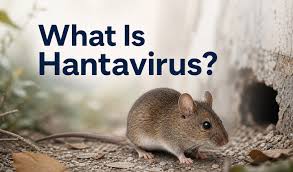
Hantavirus is a group of viruses primarily sprea
What Is Hantavirus?
d by infected rodents. Humans can become infected through contact with rodent urine, droppings, saliva, or contaminated air particles. The disease can lead to severe respiratory or kidney complications depending on the virus strain.
The infection is commonly associated with two major syndromes:
- Hantavirus Pulmonary Syndrome (HPS) – Mostly found in the Americas and affects the lungs.
- Hemorrhagic Fever with Renal Syndrome (HFRS) – More common in Europe and Asia and affects the kidneys.
Although rare, hantavirus infections can become dangerous very quickly if not treated early.
How Does Hantavirus Spread?
Hantavirus is mainly carried by rodents such as mice and rats. The virus spreads to humans when tiny virus particles become airborne and are inhaled.
Common Ways Hantavirus Spreads
- Breathing contaminated dust from rodent droppings
- Touching contaminated surfaces and then touching the mouth or nose
- Consuming food contaminated by rodents
- Rodent bites in rare cases
Unlike many viral diseases, hantavirus generally does not spread from person to person in most regions.
Rodents Commonly Linked to Hantavirus
Some rodents known to carry the virus include:
- Deer mice
- Cotton rats
- Rice rats
- White-footed mice
People living in rural areas or working in farms, storage buildings, forests, or abandoned properties may face a higher risk of exposure.
Hantavirus Symptoms
Symptoms of hantavirus often resemble the flu during the early stages, making early diagnosis difficult. However, the condition can worsen rapidly.
Early Symptoms of Hantavirus
Common early signs include:
- Fever
- Chills
- Muscle aches
- Fatigue
- Headaches
- Nausea
- Vomiting
- Dizziness
These symptoms usually appear one to eight weeks after exposure to infected rodents.
Severe Symptoms
As the infection progresses, patients may develop:
- Shortness of breath
- Severe coughing
- Chest tightness
- Fluid buildup in the lungs
- Low blood pressure
Severe respiratory distress is a hallmark of Hantavirus Pulmonary Syndrome and requires emergency medical care.
What Causes Hantavirus?
Hantavirus infections are caused by exposure to infected rodents and their waste products. Poor sanitation, rodent infestations, and exposure to enclosed dusty spaces increase infection risks significantly.
High-Risk Environments
People are more likely to encounter hantavirus in:
- Cabins
- Garages
- Barns
- Warehouses
- Sheds
- Campsites
- Rural homes
Cleaning areas with rodent droppings without proper protection can release virus particles into the air.
Hantavirus Pulmonary Syndrome (HPS)
Hantavirus Pulmonary Syndrome is the most dangerous form of hantavirus infection in the Americas. It affects the lungs and can become fatal if untreated.
Stages of HPS
1. Early Phase
Patients experience fever, body aches, and digestive symptoms.
2. Cardiopulmonary Phase
Fluid begins filling the lungs, leading to breathing difficulties and dangerously low oxygen levels.
3. Recovery Phase
With intensive medical care, some patients gradually recover over weeks or months.
Early hospitalization dramatically improves survival chances.
Hemorrhagic Fever with Renal Syndrome (HFRS)
Hemorrhagic Fever with Renal Syndrome is another form of hantavirus more common in Europe and Asia.
Common Symptoms of HFRS
- High fever
- Bleeding issues
- Kidney dysfunction
- Low blood pressure
- Vision problems
Severe cases may require dialysis or advanced hospital treatment.
Who Is Most at Risk?
Although anyone can become infected, certain groups face greater exposure risks.
High-Risk Groups
- Farmers
- Campers
- Construction workers
- Pest control workers
- Rural residents
- Warehouse employees
- People cleaning abandoned buildings
Men between ages 20 and 50 are statistically more affected because of occupational exposure.
How Doctors Diagnose Hantavirus
Diagnosing hantavirus early can be challenging because symptoms mimic common viral illnesses.
Diagnostic Methods
Doctors may use:
- Blood tests
- Antibody testing
- PCR testing
- Chest X-rays
- Oxygen level monitoring
Travel history and rodent exposure history also help doctors identify possible cases.
Hantavirus Treatment Options
Currently, there is no specific antiviral cure for hantavirus infection. Treatment mainly focuses on supportive medical care.
Common Treatments
- Oxygen therapy
- Intravenous fluids
- Mechanical ventilation
- Intensive care monitoring
- Blood pressure stabilization
Early treatment significantly increases survival rates.
Patients with severe respiratory symptoms often require admission to intensive care units.
Can Hantavirus Be Prevented?
Yes. Prevention is the best defense against hantavirus infection. Since rodents spread the virus, reducing rodent exposure is essential.
Best Hantavirus Prevention Tips
1. Seal Entry Points
Close holes and cracks around homes, garages, and storage buildings to prevent rodents from entering.
2. Store Food Properly
Keep food in sealed containers to avoid attracting mice and rats.
3. Use Protective Gear
When cleaning rodent-infested areas, wear:
- Gloves
- Face masks
- Eye protection
4. Avoid Sweeping Dry Droppings
Never sweep or vacuum rodent droppings directly. Instead:
- Spray disinfectant first
- Let it soak for several minutes
- Use paper towels for cleanup
5. Improve Ventilation
Open doors and windows before entering enclosed spaces that may contain rodent contamination.
Hantavirus vs Other Viral Diseases
Hantavirus differs from many common respiratory infections because it originates from rodents rather than human transmission.
| Feature | Hantavirus | Flu | COVID-19 |
|---|---|---|---|
| Main Source | Rodents | Humans | Humans |
| Lung Involvement | Severe | Moderate | Moderate to Severe |
| Person-to-Person Spread | Rare | Common | Common |
| Mortality Risk | High in severe cases | Lower | Variable |
This distinction makes rodent control critically important in preventing outbreaks.
Global Cases and Public Health Awareness
Although hantavirus infections remain relatively rare, public health agencies monitor outbreaks carefully. Cases have been reported in North America, South America, Europe, and Asia.
Environmental changes, climate conditions, and increased rodent populations can influence outbreak risks.
Health experts encourage public education about safe cleaning practices and rodent prevention strategies.
Important Safety Tips for Campers and Travelers
Outdoor enthusiasts should take extra precautions in wilderness areas where rodents are common.
Travel Safety Tips
- Avoid sleeping directly on the ground
- Store food securely
- Keep campsites clean
- Avoid disturbing rodent nests
- Ventilate cabins before use
Campers should immediately seek medical attention if flu-like symptoms appear after possible rodent exposure.
Frequently Asked Questions About Hantavirus
Is hantavirus contagious?
In most regions, hantavirus does not spread from person to person. Infection usually occurs through contact with infected rodents.
Can hantavirus be cured?
There is no specific cure, but early medical care greatly improves recovery chances.
How deadly is hantavirus?
Severe cases can have high mortality rates, especially when treatment is delayed.
Can pets spread hantavirus?
Dogs and cats are not known to spread hantavirus directly to humans, but they may bring infected rodents closer to homes.
How common is hantavirus?
Hantavirus is rare compared to many viral diseases, but outbreaks still occur in certain areas.
Final Thoughts
Hantavirus may be rare, but its severe complications make awareness extremely important. Understanding the symptoms, transmission methods, and prevention strategies can help reduce the risk of infection and protect public health.
The best protection against hantavirus comes from proper sanitation, rodent control, and safe cleaning practices. Whether you live in a rural area, work outdoors, or enjoy camping adventures, taking preventive measures can make a major difference.
As global awareness of zoonotic diseases continues to grow, learning about hantavirus remains essential for maintaining a healthier and safer environment for everyone.

Relevant SEO Keywords
- hantavirus symptoms
- hantavirus treatment
- hantavirus pulmonary syndrome
- rodent borne diseases
- hantavirus prevention
- hantavirus virus infection
- deer mouse virus
- hantavirus causes
- respiratory viral diseases
- rare viral infections